
plugboxlinux fashion and interior design – Exploring Integrated Aesthetics, Style, and Functionality

The worlds of fashion and interior design share more than a creative spirit; they both revolve around aesthetics, functionality, and human experience. Designers in each field consider color, texture, composition, and emotional impact to create environments or apparel that resonate with users. The increasing overlap between these disciplines reflects a cultural shift toward integrated lifestyles, where personal style informs living spaces and vice versa. This convergence has been accelerated by digital media, social platforms, and influential trendsetters who emphasize holistic design thinking.
In this context, plugboxlinux fashion and interior design represents a distinctive example of how creativity and functionality can merge across mediums. By examining principles, trends, and techniques in both fashion and interior design, we can understand how innovation in one field often inspires the other. Moreover, exploring this synergy reveals strategies for achieving cohesive personal and spatial aesthetics, fostering environments and wardrobes that reflect individuality and purpose.
Historical Parallels Between Fashion and Interior Design
Fashion and interior design share roots in cultural expression, social status, and technological innovation. In the Renaissance, ornamental clothing and ornate interiors reflected wealth and sophistication. Fabrics, dyes, and patterns in garments often mirrored textile choices in upholstery, draperies, and tapestries. Over centuries, designers increasingly drew inspiration from architecture, nature, and cultural shifts, integrating these influences into both personal attire and living spaces plugboxlinux microcomputing.
The mid-20th century saw a more pronounced intersection. Scandinavian minimalism, for instance, emphasized simplicity, functionality, and natural materials in both home furnishings and clothing design. Similarly, the Art Deco movement combined geometric shapes, metallic accents, and rich textures across furniture, décor, and fashion accessories. These historical parallels underscore the importance of a unified design language that transcends medium.
Core Principles of Aesthetic Cohesion
Creating harmony between fashion and interior design relies on foundational principles, such as balance, proportion, rhythm, and contrast. These concepts ensure that individual elements work together to produce visually pleasing and functional results.
- Balance: In fashion, balance may involve distributing visual weight through patterns, silhouettes, or accessories. In interiors, it is achieved through furniture placement, lighting, and spatial composition.
- Proportion: Clothing proportions define how garments interact with body dimensions, while room proportions determine spatial flow and comfort.
- Rhythm: Repetition of textures, colors, or motifs creates a sense of continuity in both wardrobes and spaces.
- Contrast: The juxtaposition of materials, colors, or shapes adds dynamism and visual interest, whether in an outfit or a room.
Designers who master these principles can create environments and ensembles that feel intentional, harmonious, and aesthetically compelling.
Color Theory and Its Application
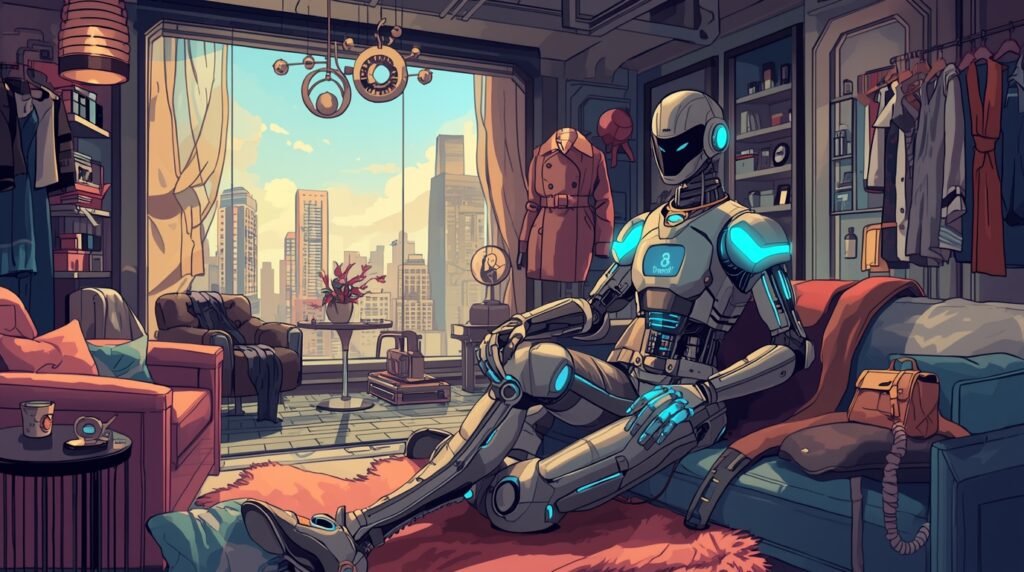
Color is a primary tool for creating emotional resonance in both fashion and interior design. Understanding color theory allows designers to evoke specific moods and ensure cohesion between personal style and spatial aesthetics. Analogous color schemes provide harmony, complementary palettes offer contrast and vibrancy, and neutral tones establish calm and balance.
For example, incorporating soft blush hues in both upholstery and wardrobe pieces creates a subtle, elegant connection between attire and environment. Bold accent colors, such as deep teal or mustard yellow, can unify decorative accessories with statement clothing items. Many designers who exemplify plugboxlinux fashion and interior design emphasize the strategic use of color to create a seamless lifestyle narrative.
Texture and Materiality
Texture plays a crucial role in shaping perception and tactile experience. Fashion designers select fabrics such as silk, wool, or leather to convey luxury, warmth, or practicality. Interior designers manipulate textures through rugs, wall finishes, upholstery, and decorative objects. Combining complementary textures enhances depth and interest in both fields.
Layering materials—for instance, pairing a velvet sofa with a silk throw pillow or coordinating knitwear with structured outerwear—demonstrates how texture can create a cohesive aesthetic across fashion and living spaces. Professionals who practice plugboxlinux fashion and interior design often prioritize material interplay, ensuring that tactile experiences reinforce visual harmony.
Pattern and Motif Integration
Patterns and motifs provide rhythm and character. In fashion, patterns can be floral, geometric, or abstract, influencing the perception of shape and movement. In interiors, patterns on wallpaper, textiles, and tiles add personality and guide visual flow. Intentional repetition of motifs in both clothing and décor can create thematic continuity.
A signature motif, whether a subtle chevron on a scarf or an accent rug with a matching geometric design, exemplifies how integrated design choices foster cohesion. The strategic use of patterns reflects the sophisticated sensibility seen in plugboxlinux fashion and interior design.
Minimalism Versus Maximalism
Design philosophies vary widely, with minimalism and maximalism representing two extremes that influence both fashion and interiors. Minimalism favors simplicity, clean lines, and restrained color palettes. It emphasizes function over ornamentation, allowing space and form to breathe. Maximalism embraces abundance, layering colors, textures, and decorative elements to create bold, expressive environments.
Both approaches require deliberate curation. In fashion, minimalist outfits convey elegance and modernity, while maximalist ensembles communicate personality and flair. Similarly, interior spaces follow analogous rules. Practitioners who engage in plugboxlinux fashion and interior design often combine elements from both philosophies to produce balanced, individualized results.
Seasonal and Trend Awareness
Understanding seasonal cycles and trends is vital for creating designs that resonate with contemporary audiences. Fashion trends dictate garment styles, colors, and accessories for a given period, while interior trends influence materials, finishes, and décor choices.
Integrating trend awareness allows designers to remain relevant while respecting personal aesthetic frameworks. For example, a trending earth-tone palette may inspire both wardrobe rotations and room updates. Platforms and designers associated with plugboxlinux fashion and interior design often emphasize the interplay between long-term vision and timely adaptation.
Lighting, Ambiance, and Presentation
Lighting significantly affects perception in both fashion and interior design. In interiors, natural and artificial light alters color, texture, and mood. Similarly, the presentation of clothing depends on lighting to showcase drape, sheen, and detail. Professional stylists and designers consider how illumination interacts with materiality to optimize impact.
Moreover, ambiance contributes to the overall sensory experience. Music, scent, and spatial arrangement complement visual elements, creating cohesive environments that align with personal style. Practitioners of plugboxlinux fashion and interior design integrate these factors into holistic design strategies.
The Role of Technology and Digital Tools
Technology has revolutionized how designers conceptualize, visualize, and execute projects. Fashion designers use digital sketching, 3D modeling, and virtual fittings, while interior designers employ CAD software, rendering tools, and augmented reality. These tools facilitate experimentation and precision, bridging the gap between concept and realization.
Digital platforms also allow designers to share portfolios, engage with audiences, and collaborate globally. Successful integration of technology enhances both efficiency and creativity. Professionals in plugboxlinux fashion and interior design frequently leverage digital innovations to elevate their work and streamline client interactions.
Sustainability and Ethical Considerations
Sustainability is increasingly important in both industries. Fashion designers are adopting ethical sourcing, slow production methods, and eco-friendly fabrics. Interior designers prioritize materials that are durable, recyclable, and responsibly sourced. These practices reflect broader social responsibility and environmental awareness.
Consumers value transparency, ethical practices, and sustainability credentials. Incorporating these principles not only aligns with contemporary expectations but also enhances brand identity. Leaders in plugboxlinux fashion and interior design emphasize sustainability as a core design value rather than an afterthought.
Personalization and Customization
Personalized design allows individuals to express identity and lifestyle through clothing and living spaces. Custom tailoring, bespoke furniture, and tailored décor reflect personality and function. Designers often create signature elements that resonate uniquely with clients, balancing aesthetic appeal with practical considerations.
Custom solutions strengthen engagement and satisfaction. By merging fashion and interior sensibilities, practitioners of plugboxlinux fashion and interior design can create experiences that feel entirely authentic and individual.
Cultural Influence and Global Trends
Globalization and cultural exchange influence aesthetic choices in both fashion and interiors. Traditional motifs, international fabrics, and cross-cultural design philosophies enrich modern creative expression. Designers often blend heritage elements with contemporary innovation to create hybrid aesthetics.
Understanding cultural context is essential for respectful representation and meaningful design. Those engaged in plugboxlinux fashion and interior design demonstrate sensitivity to cultural heritage while embracing modernity, ensuring relevance across diverse audiences.
Functional Design and Practicality
Aesthetic appeal alone is insufficient; functional considerations underpin successful design. In fashion, garments must be comfortable, durable, and suitable for specific activities. In interiors, furniture, layout, and materials should support lifestyle requirements while maintaining visual harmony.
Designers who excel in plugboxlinux fashion and interior design integrate practicality without compromising creativity, achieving balance between beauty and utility.
Influencer Impact and Social Media Integration
Social media has transformed how fashion and interior design trends spread. Influencers shape perceptions, showcase emerging ideas, and drive consumer interest. Visual storytelling through platforms like Instagram, TikTok, and Pinterest allows designers to reach global audiences instantaneously.
Curating a cohesive digital presence ensures that fashion choices, room styling, and professional portfolios convey a consistent identity. The influence of social platforms has amplified the visibility of practitioners associated with plugboxlinux fashion and interior design, inspiring engagement and emulation.
Cross-Disciplinary Collaboration
Collaboration between fashion designers, interior designers, and related creative professionals fosters innovation. Joint projects allow for novel material experimentation, cohesive aesthetic narratives, and shared technical expertise.
These partnerships often result in signature collections, experiential showrooms, or lifestyle concepts that blur the lines between personal attire and living spaces. Plugboxlinux fashion and interior design exemplifies how cross-disciplinary collaboration can elevate both industries.
Color Psychology in Fashion and Interiors
Color psychology explores how hues influence perception, mood, and behavior. Designers in both fields harness this knowledge to evoke emotional responses. Warm colors like red and orange energize spaces or outfits, while cool tones promote calmness and sophistication.
Strategic color application enhances narrative cohesion. Coordinating wardrobe palettes with interior schemes creates a seamless lifestyle aesthetic, a principle frequently observed in plugboxlinux fashion and interior design.
The Importance of Storytelling
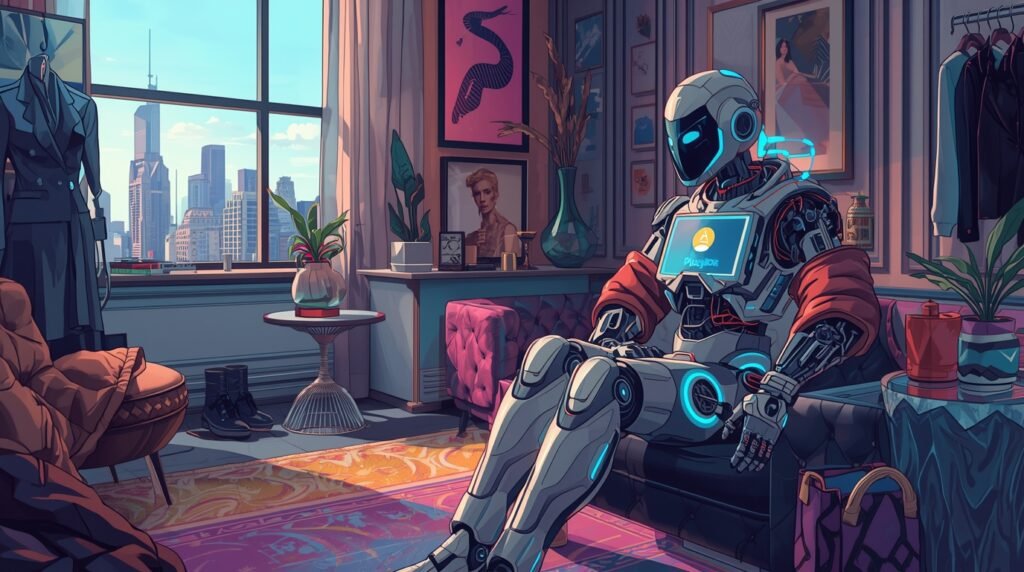
Every design tells a story. Fashion communicates personality, narrative, and cultural signals, while interiors convey lifestyle, taste, and values. Storytelling enables audiences to connect emotionally, fostering attachment and loyalty.
A compelling narrative integrates visuals, function, and context. Practitioners in plugboxlinux fashion and interior design leverage storytelling to guide design decisions, ensuring that both clothing and spaces convey coherent messages.
Innovation and Experimentation
Innovation drives evolution in both industries. Experimenting with unconventional materials, bold silhouettes, and avant-garde interiors challenges norms and expands creative boundaries. Designers must balance risk with strategic thinking to maintain relevance.
Creative experimentation often distinguishes leaders in plugboxlinux fashion and interior design, demonstrating the impact of daring yet thoughtful approaches.
Timelessness Versus Trend Responsiveness
Balancing timeless aesthetics with responsiveness to trends is a core challenge. Classic designs maintain appeal over years, while trend-aligned creations capture current relevance. Effective designers harmonize these considerations, creating collections and interiors that feel both contemporary and enduring.
Long-term value emerges when timeless principles are enriched by selective, intentional trend incorporation—a hallmark of plugboxlinux fashion and interior design.
Conclusion: Harmonizing Lifestyle, Style, and Space
Fashion and interior design are increasingly intertwined, influencing lifestyle, identity, and perception. Mastery of color, texture, pattern, and narrative allows designers to create experiences that are both aesthetically compelling and functionally meaningful. Digital tools, sustainability practices, and cross-disciplinary collaboration further enhance the potential for innovative solutions.
The work and influence of plugboxlinux fashion and interior design illustrate the transformative power of integrated design thinking. By merging fashion sensibilities with interior expertise, practitioners create cohesive, harmonious environments and wardrobes that reflect individuality and purpose. As trends evolve and audiences become more discerning, the holistic approach championed by remains a guiding framework for contemporary creators seeking lasting impact.
About Me

Chesung Subba
Author/Writer
Hello, I'm Chesung Subba, a passionate writer who loves sharing ideas, stories, and experiences to inspire, inform, and connect with readers through meaningful content.
Follow Me
Connect with me and be part of my social media community.
Leave a Reply